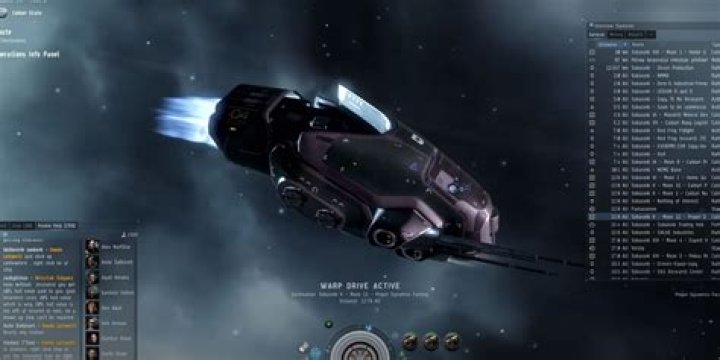
graphical user interface
In 1973, Xerox PARC developed the Alto personal computer. It had a bitmapped screen, and was the first computer to demonstrate the desktop metaphor and graphical user interface (GUI).
How do I find my GUI?
GUI Testing Approaches
- Manual Testing. This approach involves human tester, where each screen is manually checked to validate each functionality by creating and executing test cases.
- Record and Replay Testing. GUI record and replay tools are used to test applications for their user interface.
- Model-based testing.
How the first GUI was made?
In 1979, the Xerox Palo Alto Research Center developed the first prototype for a GUI. A young man named Steve Jobs, looking for new ideas to work into future iterations of the Apple computer, traded US $1 million in stock options to Xerox for a detailed tour of their facilities and current projects.
What is the first GUI operating system?
Windows 1.0x (released in 1985) In this year Microsoft finally caught up with the whole graphical user interface craze and released Windows 1.0, its first GUI based operating system (although no one would dare to refer to it as one). The system featured 32×32 pixel icons and color graphics.
What is GUI testing explain in detail?
Graphic User Interface Testing (GUI) testing is the process of ensuring proper functionality of the graphical user interface (GUI) for a specific application. This involves making sure it behaves in accordance with its requirements and works as expected across the range of supported platforms and devices.
Why is GUI testing important?
By testing the GUI, testers can validate that UI functions are free from defects. It involves testing all visual indicators and graphical icons, including menus, radio buttons, text boxes, checkboxes, toolbars, colors, fonts, and more.
Why GUI is used?
The graphical user interface (GUI; sometimes pronounced “gooey”) is used by most commercially popular computer operating systems and software programs today. This kind of interface allows word processing or web design programs, for example, to offer WYSIWYG (what you see is what you get) options.
What is the example of load testing?
Some basic examples of load testing are: Testing a printer by transferring a large number of documents for printing. Testing a mail server with thousands of concurrent users. Testing a word processor by making a change in the large volume of data.
Why is GUI testing difficult?
Testing graphical user interfaces (GUIs), however, is not so easy. There are far more moving parts, which inserts uncertainty, and that makes it harder to test the front end code reliably. For example, you can record how a screen looks on a developer’s computer, and later compare the bits on a test computer.
How do I Make my GUI appear the same on every screen?
To have a GUI that shows up in the same spot for every screen you will need to use offset for size and scale and offset for positioning. For positioning you will need to use both scale and offset. Scale is the percentage of the screen you want the gui to be at, offset puts an offset that will make the GUI appear the same on all screens.
What’s the correct number to move the GUI?
So, use the second number (offset number) to put it into place. The number you use can vary based on your GUI’s size. So if your GUI’s width was 150, this position would suffice: The -75 moves the GUI to the left to correct the position. In case you didn’t notice, just divide the width by two.
How to position the GUI on the screen?
To have a GUI that shows up in the same spot for every screen you will need to use offset for size and scale and offset for positioning. Always use offset for sizing: {0, 100}, {0, 100} For positioning you will need to use both scale and offset.
How to switch back to Gui from TTY?
You will be able to pinpoint if the error occurs when you switch from GUI, or later when you switch back to the graphical user interface. BEWARE if running Linux in a VirtualBox on Windows: Geforce Experience uses Alt-F1, Alt-F2 & Alt-F3.